Category: Blog

  • Weak and Shaky Legs: Causes, Treatments, and Solution Explained

    Weak and Shaky Legs: Causes, Treatments, and Solution Explained

    It is a deeply unsettling feeling when you stand up to walk and realize your foundation isn’t as solid as it used to be. Whether it is a sudden wobble while climbing the stairs or a persistent tremor that makes you reach for the nearest piece of furniture, unsteadiness can take a huge toll on your quality of life. If you have been looking for clear answers regarding weak and shaky legs: causes, treatments, and solution, you are not alone. 

    At Dr. Chaitanya’s Pain & Multispeciality Hospital, we believe that understanding why your body is reacting this way is the first step toward improving your independence and confidence.

    Why Do Legs Feel Weak and Shaky?

    When we talk about leg weakness, we aren’t just talking about being “tired.” It is often a physical sensation where the muscles feel like they lack the power to move, often accompanied by a visible or internal shaking. In many cases, there may be more than one contributing factor; usually, it’s a mix of several factors that our specialists need to understand.

    1. Muscle Deconditioning and Fatigue

      This is one of the most common reasons. If you haven’t been active for a while, or if you have recently recovered from an illness that kept you in bed, your muscles can “decondition.” Think of your leg muscles like an engine—it may struggle to maintain steady movement, leading to fatigue or shaking.

      Simple overexertion can also cause this; if you push your body past its current limit, the muscles reach a point of exhaustion where they can no longer stay steady.

    1. Nerve Communication Issues

      Your legs move because your brain sends electrical signals down through your spine and out through your nerves. If that “wiring” is damaged or compressed, the signals get garbled. Conditions like a herniated disc in the back can pinch a nerve, leading to sudden weakness or a “jelly-like” feeling in one or both legs.

      Similarly, peripheral neuropathy, which is commonly associated with conditions such as diabetes, can make the legs feel wobbly because the brain isn’t getting the right feedback from the feet and legs.

    1. Poor Circulation

      Your muscles need a constant supply of oxygen-rich blood to function. If your arteries are narrowed or if you have issues like varicose veins, your legs might not be getting the fuel they need. This may cause a heavy, shaky feeling that can worsen with walking and improve with rest.

    1. Nutritional Gaps

      We often underestimate how much our muscles rely on minerals. If your body is low on potassium, magnesium, or calcium, your muscle fibers can’t contract and relax smoothly. This chemical imbalance often shows up as involuntary twitching, cramps, or a general sense of shakiness.

    Finding the Right Approach to Weak and Shaky Legs: Causes, Treatments, and Solution

    At Dr. Chaitanya’s Hospital, we don’t just look at the symptoms; we look at the person. Because “shaky legs” can be tied to everything from your spine to your blood sugar, we use a multispeciality approach. 

    This means our neurologists, orthopedists, and physical therapists work together to find the right weak and shaky legs: causes, treatments, and solution for your specific body.

    Customized Physiotherapy:
    For many, the road to recovery starts with movement. Our therapists design exercises that don’t just “work out” the legs, but specifically target balance and coordination. We focus on strengthening the core and the small stabilizer muscles that prevent falls.

    Medical and Nutritional Support:
    If your weakness is caused by a vitamin deficiency or a chronic condition like diabetes or a thyroid disorder, we help you manage that through proper medication and supplements. Getting your internal chemistry right can often stop the shaking before it starts.

    Advanced Pain Management:
    If a pinched nerve or joint inflammation is the root cause, we use targeted treatments like nerve blocks or non-invasive therapies to reduce the “noise” in your nervous system. When pain is effectively managed, many patients notice improvement in strength and movement.

    Frequently Asked Questions

    1. Can anxiety or stress make my legs shake?

      Yes. When you are very stressed, your body releases adrenaline as part of the “fight or flight” response. This can cause your muscles to prime themselves for action, which often results in visible shaking or a “weak-kneed” feeling. Once you calm down, the shaking usually stops.
    1. Is leg weakness just a normal part of getting older?

      While we do lose some muscle mass as we age, sudden or persistent shakiness is not “normal.” It is usually a sign of something treatable, like a vitamin deficiency, a nerve issue, or simple lack of specific exercise. You don’t have to just “live with it.”

    1. When is leg shakiness an emergency?

      If your leg weakness comes on suddenly and is accompanied by a severe back pain, loss of bladder or bowel control, or if you can’t feel your legs at all, you should seek medical help immediately. These can be signs of serious nerve compression.

    1. Should I rest my legs or try to walk more?

      It depends on the cause! If it’s pure muscle fatigue, rest is best. However, if it’s due to poor circulation or deconditioning, gentle walking is often beneficial. This is why a professional diagnosis is so important.

    Reaching a Practical Solution

    You shouldn’t have to live your life wondering if your next step will be a steady one. By addressing the root issues—whether they are neurological, circulatory, or muscular—you may be able to improve stability and mobility over time. 

    At Dr. Chaitanya’s Pain & Multi speciality Hospital in Hyderabad, we are committed to helping you explore appropriate and effective care options for weak and shaky legs: causes, treatments, and solution so you can walk with confidence again.
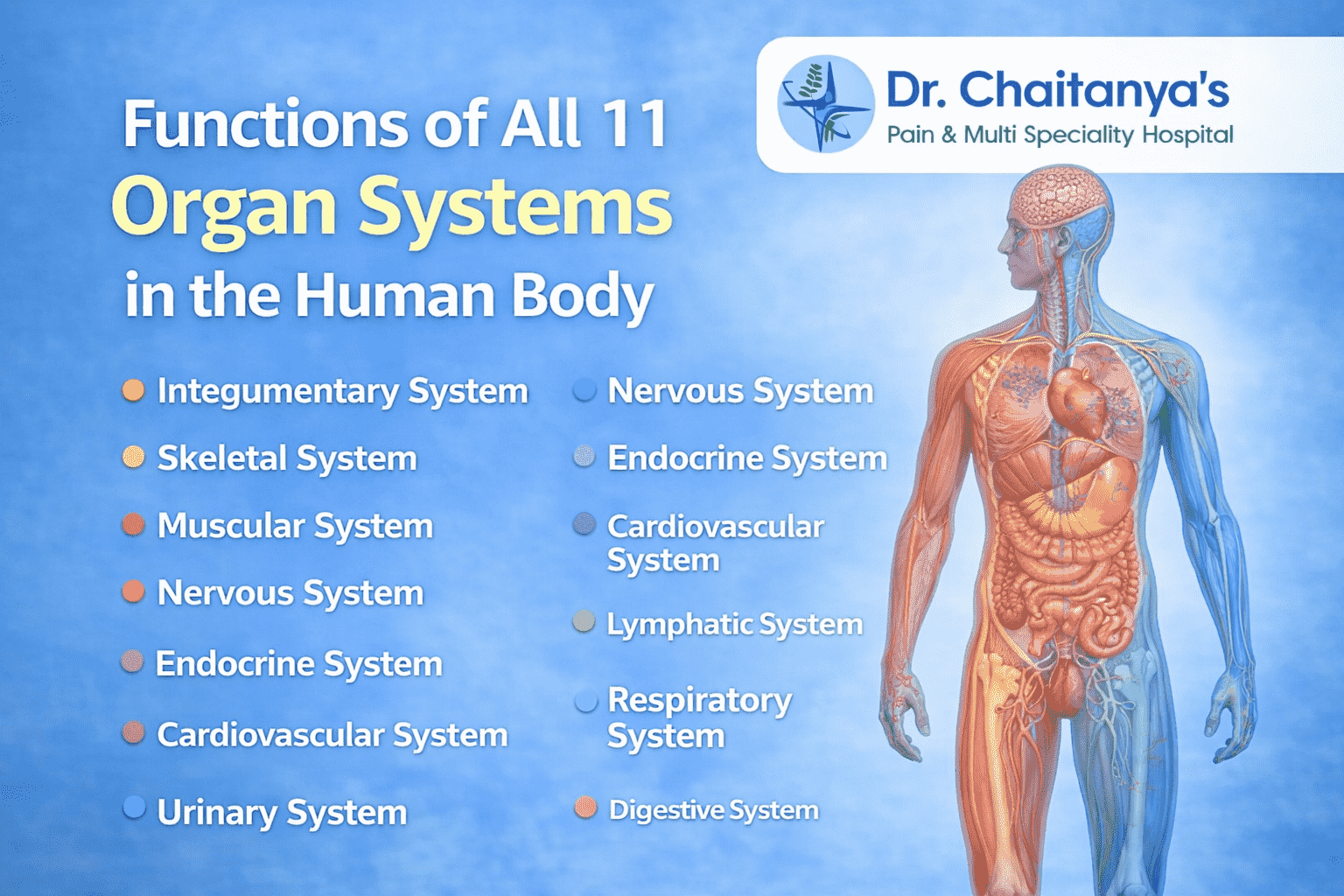
  • Functions of All 11 Organ Systems in the Human Body Explained Simply

    Functions of All 11 Organ Systems in the Human Body Explained Simply

    Right now, your body is performing thousands of tasks you aren’t even aware of. Every breath, every heartbeat, and every thought depends on a complex, internal network. To truly grasp the functions of all 11 organ systems in the human body, you have to stop looking at the body as a collection of separate parts. Instead, think of it as a coordinated team working 24/7 to keep you in balance.

    At Dr. Chaitanya’s Pain & Multispeciality Hospital in Hyderabad, we frequently see patients who are surprised that a pain in one area is actually rooted in a completely different system. When you understand how these systems overlap, health concerns become much easier to navigate.

    What Exactly Is an Organ System?

    An organ system is simply a group of organs collaborating to handle a major life function. No system is an island. If one struggles, others usually pick up the slack or begin to show symptoms. Taking a “whole-body” perspective is the only way to provide effective medical care.

    Here is a practical breakdown of the functions of all 11 organ systems in the human body and how they impact your daily life.

    1. The Integumentary System (Your Shield)
      This is your skin, hair, nails, and sweat glands. It’s far more than just a covering; it’s your first line of defense against the outside world.
    • Main Job: Blocking infections, regulating your temperature through sweat, and acting as a massive sensory map for touch and pain. It also helps synthesize Vitamin D.
    1. The Skeletal System (The Framework)
      Your 206 bones do a lot more than just keep you upright.
    • Main Job: Beyond providing structure, your bones protect your heart and brain, store essential minerals like calcium, and actually manufacture your blood cells inside the marrow.
    1. The Muscular System (The Engine)
      This system is responsible for every movement, whether you choose it or not.
    • Main Job: It handles voluntary movement like walking, but also involuntary actions like your heartbeat and the movement of food through your gut. It’s also your body’s primary source of heat.
    1. The Nervous System (The Command Center)
      Comprising the brain, spinal cord, and nerves, this is the body’s high-speed communication network.
    • Main Job: It sends electrical signals to coordinate movement, process what you see and feel, and manage your mood and memory. Nerve-related pain is a condition commonly seen in multispeciality care and can often be managed with appropriate treatment.
    1. The Endocrine System (The Chemical Messenger)
      This system uses hormones to manage long-term changes rather than instant signals.
    • Main Job: It regulates your metabolism, growth, sleep cycles, and stress responses. Hormonal imbalances may contribute to fatigue or changes in weight.
    1. The Cardiovascular System (The Delivery Service)
      Your heart and blood vessels are the highway system of the body.
    • Main Job: It pumps oxygen and nutrients to every cell while carrying away waste products like carbon dioxide. Poor circulation can sometimes contribute to slower healing.
    1. The Lymphatic System (The Cleanup Crew)
      Often forgotten, this system is vital for your immune health.
    • Main Job: It filters out toxins, produces white blood cells to fight infections, and manages fluid levels so you don’t experience excessive swelling.
    1. The Respiratory System (The Gas Exchange)
      Breathing is about more than just lungs; it’s about oxygenating the blood.
    • Main Job: It brings in oxygen and expels carbon dioxide. Because every organ needs oxygen to function, respiratory issues can quickly cause “brain fog” or muscle weakness.
    1. The Digestive System (The Power Plant)
      This is where your body turns food into the fuel that runs the other 10 systems.
    • Main Job: It breaks down nutrients for absorption and eliminates solid waste. Research suggests gut health may influence immune function and cognitive wellbeing.
    1. The Urinary System (The Filter)
      Your kidneys and bladder act as a sophisticated water-treatment plant.
    • Main Job: It filters the blood to remove liquid waste and maintains the perfect balance of electrolytes and water in your system, which is crucial for blood pressure control.
    1. The Reproductive System (The Future)
      While its primary role is producing offspring, it also heavily influences your overall hormonal health.
    • Main Job: It produces the sex hormones that affect everything from bone density to your energy levels and emotional well-being.

    Why Connectivity Matters in Healthcare

    When you look at the functions of all 11 organ systems in the human body, it becomes clear that “symptoms” are rarely isolated. Chronic pain in the back might be a skeletal issue, or it could be a nervous system compression or even a referred pain from an internal organ.

    This is why we advocate for a multispeciality approach. At Dr. Chaitanya’s Pain & Multispeciality Hospital, we don’t just treat the spot that hurts; we look for the systemic connection.

    Taking the Next Step for Your Health

    Your body is an incredible, self-regulating machine, but professional evaluation can help identify underlying issues and guide appropriate care. Recognizing early signs of system imbalance can help address potential health concerns promptly.

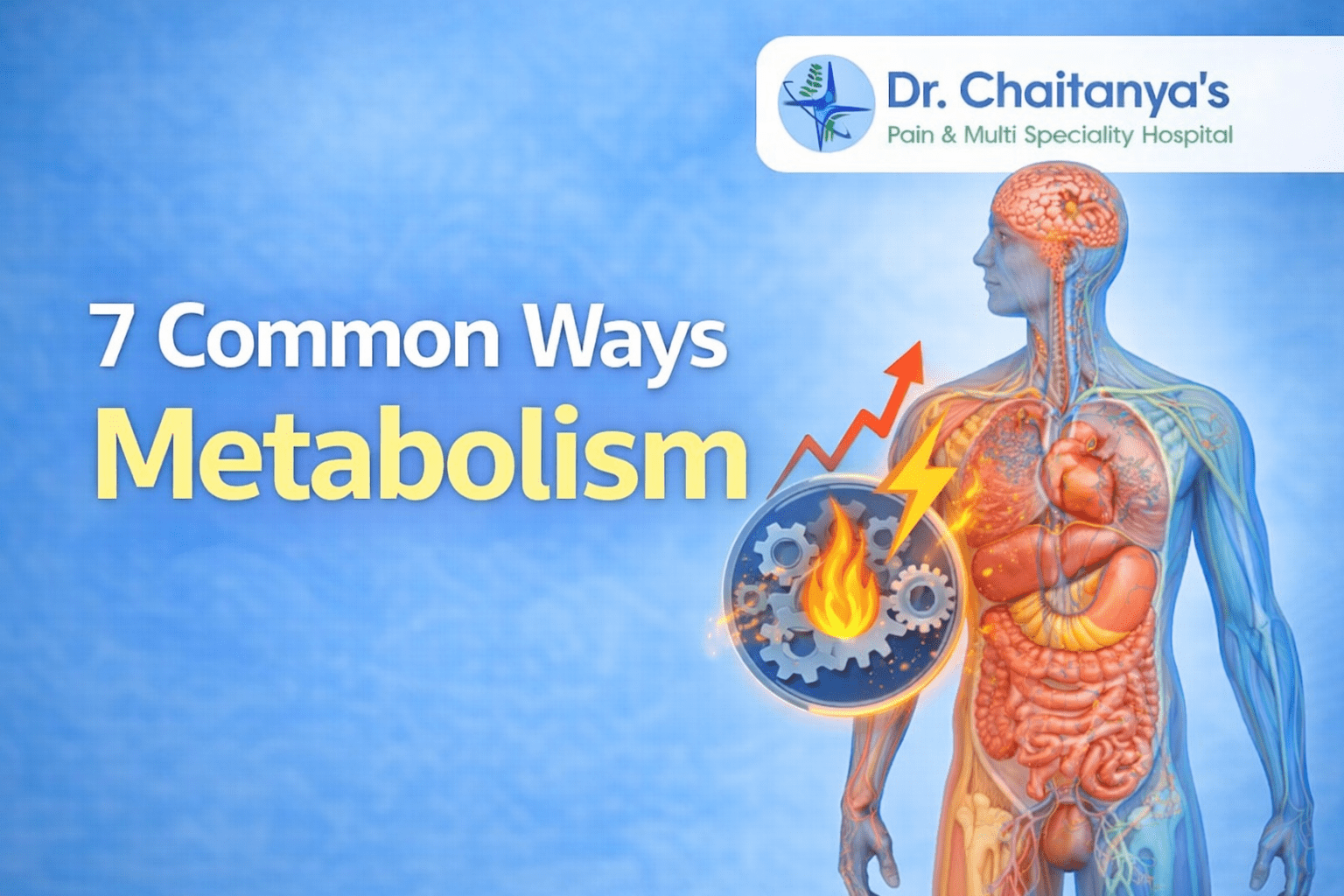
  • 7 Common Ways Metabolism Slows Down Without You Realizing

    7 Common Ways Metabolism Slows Down Without You Realizing

    Have you ever felt like your body’s internal engine is just idling, no matter how much you try to rev it up? If you’re trying to understand the 7 common ways metabolism slows down, you’re not alone. Metabolism is a word we hear all the time, but we rarely stop to think about what it actually means for our daily energy and wellbeing.

    In simple terms, metabolism is the process your body uses to turn what you eat and drink into energy. When that process is working smoothly, you tend to feel steady, active, and balanced. But when it begins to slow, even simple routines can feel exhausting.

    Recognizing these early changes can help you take more informed steps toward better health. At Dr. Chaitanya’s Pain & Multi speciality Hospital in Hyderabad, we see many patients experience persistent fatigue. They often feel like they are doing everything “right,” yet their stamina remains low. 

    In many cases, contributing factors may include small, quiet habits that have accumulated over time, creating a metabolic environment that favors storage over burning.

    1. Skipping Meals Regularly
      It seems logical—if you eat less often, you should lose weight, right? Unfortunately, the body is much smarter than that. When you skip meals, you are essentially sending a “scarcity” signal to your brain. Your body doesn’t know you’re just busy; it thinks food is hard to find.

      In response, your system tries to protect you by slowing down how quickly it burns calories. Over time, these irregular patterns teach your body to become very efficient at storing energy as fat rather than using it to power your day

    1. Extremely Low-Calorie Diets
      Going on a “crash diet” can backfire significantly. When you drop your calorie intake too low for an extended period, your body enters a state of metabolic adaptation. It starts to prioritize basic survival functions, like keeping your heart beating, while shutting down energy–using processes like building muscle or maintaining high body temperature.
      In some individuals, this adaptation may persist even after normal eating resumes.
    1. Loss of Muscle Mass
      Think of your muscles as the “furnace” of your metabolism. Muscle tissue is metabolically active, meaning it burns calories even when you are at rest.

      As we age, or if we are inactive due to injury, we naturally begin to lose muscle mass. When that furnace gets smaller, the amount of energy you burn at rest drops. This is why strength-based movement plays an important role; without it, the body may gradually become less efficient at processing energy in many people.

    1. Prolonged Physical Inactivity
      Many of us have desk jobs where we sit for eight hours a day. Even if you hit the gym for thirty minutes, those hours of sitting can quietly put your metabolism to sleep.

      This isn’t just about the calories burned during a workout; it’s about keeping your metabolic enzymes active. When you stay still for too long, your body’s ability to break down fats and sugars may slow over time.

    1. Poor Sleep Quality
      We often think of sleep as “down time,” but for your metabolism, it is “maintenance time.” Sleep is closely tied to the hormones that regulate hunger (ghrelin) and fullness (leptin).

      When you don’t get enough high-quality sleep, these hormones get thrown out of balance. You might find yourself craving high-sugar foods because your brain is looking for a quick fix to make up for the lack of rest.

    1. Chronic Stress
      In short bursts, stress is a survival tool. But when stress becomes chronic, it keeps the hormone cortisol elevated. High cortisol levels act as a signal to your body to store fat for an “emergency.” It tells your system to conserve energy instead of burning it.
      When you combine high stress with poor sleep, it may contribute to metabolic slowdown.
    1. Aging and Hormonal Changes
      As the years go by, our cellular function naturally slows down, and hormone levels—like estrogen, testosterone, and thyroid hormones—begin to shift. While this is a normal part of life, some shifts are more severe.

      For instance, thyroid-related issues can affect overall metabolic function. Regular medical check-ups are vital for catching these imbalances early.

    Frequently Asked Questions

    1. Can I “fix” a slow metabolism?
      Yes, these strategies may help spport metabolic efficiency over time.
    1. Does drinking cold water really help?
      It provides a tiny, temporary boost as your body warms the water, but it’s not a long-term solution.
    1. How do I know if my thyroid is the issue?
      These symptoms may be associated with thyroid concerns and should be evaluated through medical testing.
    1. Is metabolism purely genetic?
      Genetics play a role, but lifestyle factors like activity and sleep have a massive influence on the results.
    1. Does eating spicy food work? Chili can slightly increase metabolic rate for a short time, but it’s not as effective as building muscle.

    CONCLUSION 

    Metabolic changes usually happen so slowly that you don’t even notice them until you feel “burnt out.” By understanding the 7 common ways metabolism slows down, you can start making small, informed shifts. If you are struggling with unexplained fatigue, it may be time for a professional evaluation to see if there is an underlying hormonal factor. 

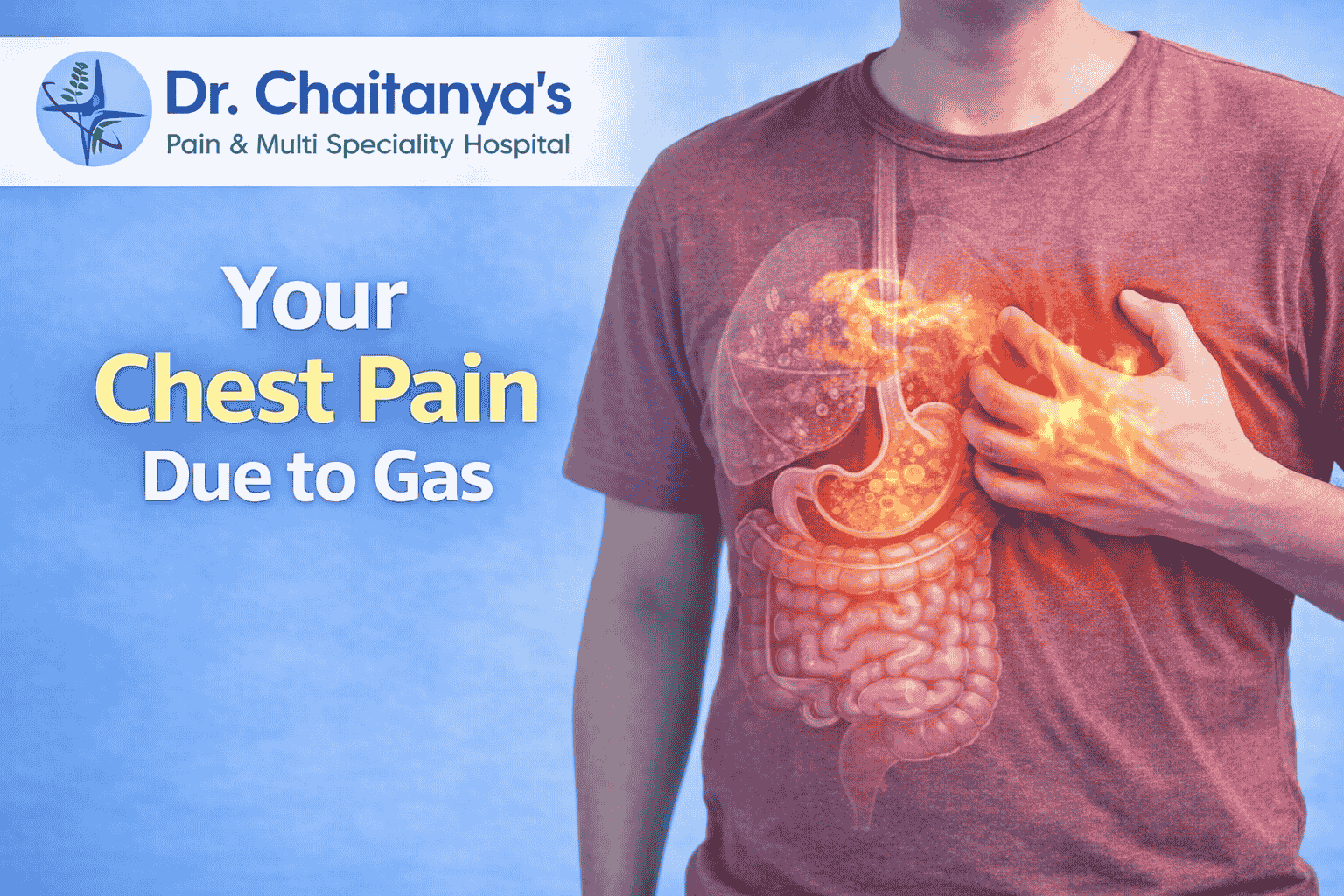
  • Is Your Chest Pain Due to Gas? Expert Advice from Dr Chaitanya

    Is Your Chest Pain Due to Gas? Expert Advice from Dr Chaitanya

    Chest discomfort can feel terrifying, and it’s a completely natural human reaction to immediately fear a serious heart problem. But, many people don’t realize that chest pain due to gas is actually a remarkably common cause of that pressing or sharp sensation. Trapped gas in the digestive system mimics cardiac pain so effectively it leaves many people anxious and unsure what’s truly going on.

    Understanding this frequent condition is the first step toward staying calm, recognizing the signs accurately, and knowing precisely when a visit to Dr Chaitanya’s Pain & Multi speciality Hospital becomes necessary.

    What Is Gas-Related Chest Pain, Really?

    This type of discomfort starts when excess air or gas builds up inside your stomach or lower intestines. As this trapped gas expands, it literally pushes against the diaphragm or the chest wall. That pressure translates into the uncomfortable sensations you feel in your chest. The pain often feels sharp, sometimes stabbing, or just a heavy pressure right on the chest.

    Because the sensation can feel exactly like a serious heart issue, patients quickly become alarmed.

    Fortunately, in the vast majority of cases, pain coming from gas may be harmless. Still, knowing the cause and spotting the pattern helps prevent panic and ensures you don’t miss those rare moments when something more serious might be happening.

    How to Spot Gas Pain vs. Heart Danger

    It’s crucial to understand the difference. Gas pain is generally tied to digestion; heart pain is linked to circulation and muscle distress.

    Symptom Feature Likely Gas-Related Pain Red Flags (Seek Immediate Care)
    Pain Quality Sharp, stabbing, or cramp-like. Crushing, heavy pressure, or squeezing.
    Location/Spread Localized to the center/upper chest or abdomen; may move. Spreads (radiates) to the left arm, jaw, neck, or back.
    Relief Factors Improves after burping, passing gas, or changing body position (e.g., standing up). Pain is persistent; it does not improve with rest or position changes.
    Other Symptoms Bloating, fullness, frequent burping, gurgling. Accompanied by sweating, dizziness, light headedness, or sudden severe shortness of breath.


    If you experience any of the red flags, you must seek medical attention immediately. Never attempt self-diagnosis when a heart issue could be possible.

    Common Causes of Gas Build-up

    Several typical daily factors contribute to gas accumulation and that resulting chest discomfort:

    Eating Habits:
    Eating too fast, talking while eating, or drinking carbonated beverages swallows excess air. Overeating also contributes significantly.

    Digestive Issues:
    Underlying conditions like acid reflux (GERD), general indigestion, or Irritable Bowel Syndrome (IBS) frequently lead to persistent gas and bloating.

    Lifestyle:
    High stress, smoking, and a lack of physical activity can slow down your digestion, allowing gas to form and get trapped more easily.

    Small adjustments—chewing slower, cutting back on sodas, and managing stress—can often drastically reduce the frequency of gas-related chest pain.

    Managing Mild Gas Pain at Home

    For mild discomfort clearly linked to food or posture, a few simple measures can provide relief:

    Move Gently:
    Walk around or perform light stretching. Movement encourages trapped gas to pass.

    Avoid Triggers:
    Temporarily cut out fried foods, carbonated drinks, and high-gas vegetables (like broccoli or beans).

    Eat Small Meals:
    Switch to smaller, more frequent meals to prevent the stomach from overloading.

    Practice Relaxation:
    Deep, slow breathing can sometimes relax the digestive muscles, easing stress-related gas issues.

    When to Visit Dr Chaitanya’s Hospital

    Even though most cases are harmless, persistent, severe, or unusual chest pain should always be evaluated by a medical professional. You need certainty.

    Consulting a specialist at Dr Chaitanya’s Pain & Multi speciality Hospital is essential to definitively rule out serious cardiac or other gastrointestinal conditions. Our team provides comprehensive evaluations, using precise diagnostics to distinguish between digestive causes, muscle strain, and cardiac issues. 

    We prioritize patient comfort and provide expert guidance for accurate diagnosis and safe care.

    CONCLUSION

    Chest pain due to gas is common but causes understandable anxiety. By recognizing the differences between digestive discomfort and heart warning signs, you can manage the condition calmly. Remember: if the pain is severe, persistent, or comes with alarming symptoms, you must seek professional evaluation.

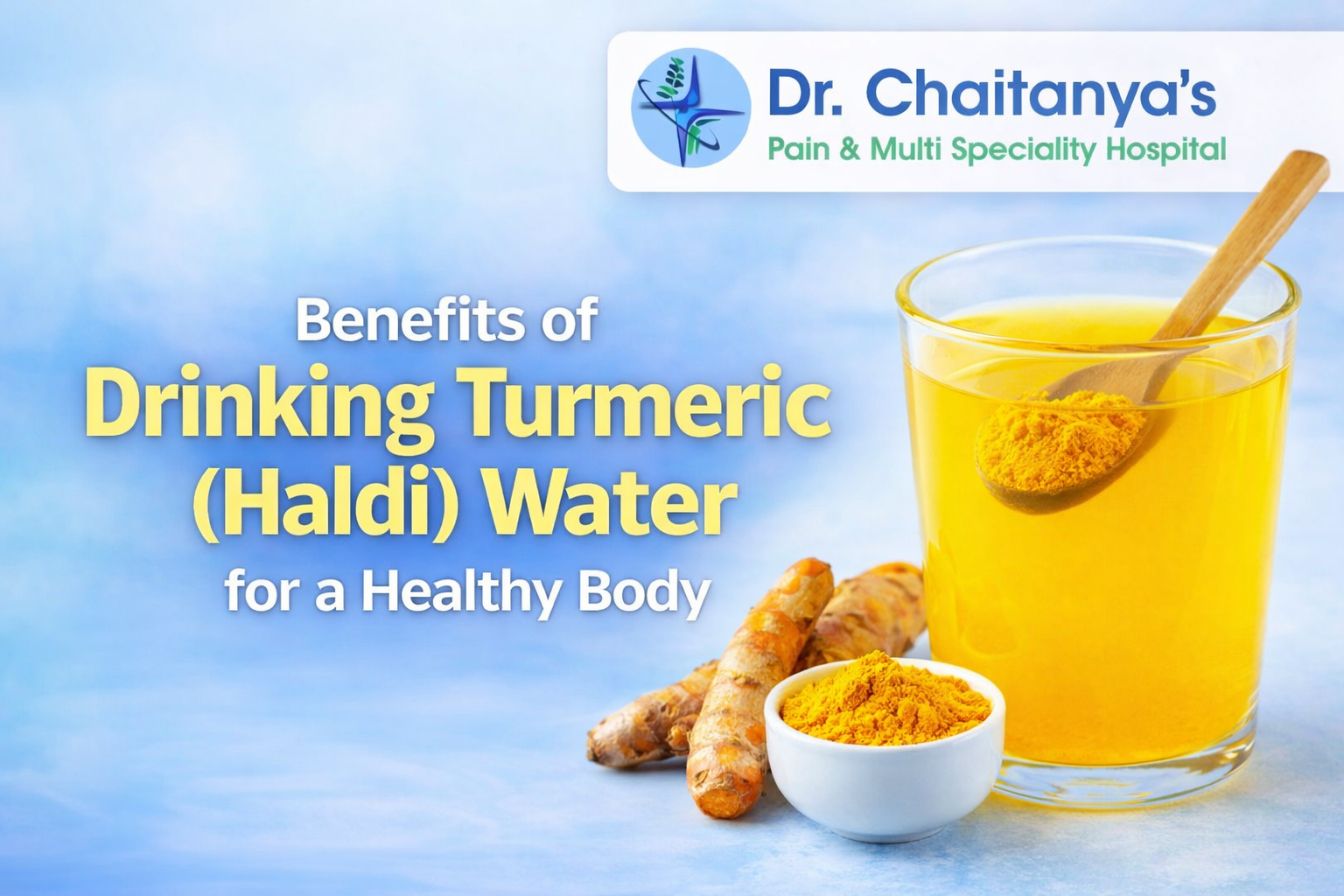
  • Benefits of Drinking Turmeric (Haldi) Water for a Healthy Body

    Benefits of Drinking Turmeric (Haldi) Water for a Healthy Body

    Turmeric—better known in Indian homes as haldi—is one of the most trusted ingredients in traditional wellness. For generations, families have used it in food, home remedies, and healing rituals.

    Today, one of the simplest ways to experience its benefits is by drinking turmeric (haldi) water, especially in the morning. This small daily practice can support the body in multiple ways, from digestion to immunity.

    At Dr. Chaitanya’s Pain & Multi Speciality Hospital, people often ask for natural habits that pair well with medical treatment. Turmeric water is one of the commonly discussed wellness habits because it supports overall health while being easy to prepare and safe for most individuals.

    1. Supports the Body’s Natural Inflammation Response

      Inflammation is a normal part of the body’s healing process, but chronic inflammation can contribute to pain or discomfort. Turmeric’s active compound, curcumin, is known for its anti-inflammatory properties.Drinking haldi water may support general comfort as part of a balanced routine for individuals dealing with long working hours, mobility challenges, or an active lifestyle.While turmeric water is not a treatment for medical conditions, it works as a helpful daily companion alongside proper care.

    2. Helps Improve Digestion

      A glass of warm turmeric water can “wake up” the digestive system each morning. Curcumin is traditionally believed to support digestive processes. Many people find that it helps reduce bloating, heaviness after meals, or slow bowel movements.Regular morning consumption may support:

    • Better digestion throughout the day
    • Reduced digestive discomfort
    • Improved gut healthIt’s a gentle, natural way to start the digestive system on the right note.
    1. Boosts Immunity Naturally

      Turmeric is rich in antioxidants that help the body fight oxidative stress. Oxidative stress weakens immunity and speeds up cell ageing. Turmeric water supplies powerful antioxidants that strengthen the body’s defence system.Consistent consumption may help:

    • Improve immunity
    • Reduce vulnerability to seasonal infections
    • Support faster recovery from minor illnessesFor those seeking a natural immunity booster, haldi water is a valuable habit.
    1. Promotes Healthy, Clearer Skin

      Skin health is closely linked to internal wellness. Because turmeric supports detoxification and reduces oxidative stress, it often leads to clearer and brighter skin.Its benefits include:

    • Reduced acne and breakouts
    • A more even skin tone
    • Improved glow and freshness
    • Calming irritation or rednessCombined with hydration and a balanced diet, turmeric water becomes a simple tool for healthier skin.
    1. Supports Heart Health

      Turmeric’s antioxidant and anti-inflammatory properties help maintain cardiovascular wellness. Over time, haldi water may support healthy cholesterol levels and better blood circulation.Potential benefits include:

    • Reduced oxidative stress on the heart
    • Improved blood flow
    • Support for long-term cardiovascular healthThis is particularly helpful for individuals focusing on preventive health practices.
    1. Helps the Body Detox Naturally

      The liver plays a major role in filtering toxins from the bloodstream. Turmeric water supports liver function and helps the body eliminate waste more efficiently.Regular use may assist with:

    • Improved metabolism
    • Better waste removal
    • Enhanced nutrient absorptionThis is one reason many people prefer drinking it first thing in the morning.
    1. Can Support Weight Management Efforts

      Turmeric water does not directly cause weight loss, but it supports the processes that influence healthy weight over time. By promoting better digestion, lowering inflammation, and supporting metabolism, it helps the body stay balanced.Paired with the right diet and activity level, turmeric water can be a useful tool in long-term weight management.

    How to Prepare Turmeric (Haldi) Water

    Making turmeric water is quick and easy.

    Ingredients:

    1 cup warm water
    ½–1 teaspoon turmeric powder or fresh grated turmeric
    A pinch of black pepper (improves absorption)
    Optional: lemon juice or honey

    Directions:

    Stir and drink on an empty stomach for best results.

    Precautions to Keep in Mind

    Turmeric water is safe for most people, but certain individuals should seek medical guidance, including:

    • Those taking blood thinners
    • People with gallstones or gallbladder issues
    • Individuals with severe acidity
    • Pregnant or breastfeeding women

    If you’re unsure, the team at Dr. Chaitanya’s Pain & Multi Speciality Hospital can offer personalized guidance.

    Frequently Asked Questions (FAQs)

    1. Can I drink turmeric water every day?
      Yes, most people can drink it daily. However, if you have medical conditions or take medications, consult a doctor first.
    2. What is the best time to drink haldi water?
      Morning on an empty stomach works best, but it can also be consumed before meals.
    3. Can turmeric water cause side effects?
      Excess consumption may cause acidity or stomach upset. Stick to small, daily amounts unless advised otherwise.
    4. Should I use raw turmeric or powder?
      Both work well. Raw turmeric offers slightly stronger antioxidants, while powder is more convenient.
    5. Does turmeric water help with weight loss?
      It supports metabolism and digestion, which can help in weight management — but only when paired with overall lifestyle changes.

    A Simple Daily Habit for Better Health

    Turmeric water is not a miracle cure, but it is a meaningful wellness habit. Its natural anti-inflammatory, antioxidant, and digestive benefits make it a valuable addition to your daily routine. When combined with healthy lifestyle choices and medical guidance, it contributes to better long-term wellness.

    For personalised advice, pain management, and multi-speciality consultations, the experts at Dr. Chaitanya’s Pain & Multi Speciality Hospital are always here to help.

  • 10 Home Remedies That Actually Work — Insights from the Best Laser Surgery Center for Piles and Fissures

    10 Home Remedies That Actually Work — Insights from the Best Laser Surgery Center for Piles and Fissures

    Piles can make even a normal day feel unusually heavy. Sitting for long hours, going to work, or enjoying a quiet meal — it all becomes harder when pain and swelling keep showing up. While medical help is always the right long-term answer, small things done at home can make a real difference. At Dr. Chaitanya’s Pain & Multi Speciality Hospital, known as the best laser surgery center for piles and fissures in Hyderabad, patients are often encouraged to begin with gentle, natural remedies. They don’t replace treatment, but they can ease discomfort and help the body heal temporarily.

    Let’s look at ten simple things that actually help — not quick fixes, but small, steady steps toward relief.

    1. Warm water soaks that bring quiet comfort

    A short soak in warm water relaxes muscles and soothes irritation. Try it for ten minutes 2-3 times a day, especially after a bowel movement. The warmth helps blood flow better and keeps the area clean, bringing that small but deep kind of relief you start to notice after a few days.

    1. Keep water close — and keep drinking it

    Dehydration is one of those hidden reasons piles keep recurring. The body needs water to keep digestion smooth and prevent hard stools. Keep a bottle with you, sip often, and choose water or clear soups over fizzy drinks. It sounds simple — but it’s one of the easiest ways to feel better.

    1. Add fiber, but do it slowly.

    Fruits, oats, green vegetables, lentils — they all help soften stools. But the trick is to add them gradually. Jumping straight into a high-fiber diet can cause bloating or cramps. Start with one fruit a day, a handful of vegetables with meals, and let your body adjust. You’ll feel lighter, and going to the bathroom won’t feel like a challenge anymore.

    1. Aloe vera — nature’s cool healer

    A bit of fresh aloe gel can calm burning or itching in seconds. Keep it clean and unscented, and apply just a little. Some people also drink aloe juice to cool their system from within, though moderation matters. Think of it as a calm shield that gives your skin a chance to rest.

    1. Ice, in small doses.

    When pain or swelling flares up, a cool compress can be your friend. Wrap a few cubes in a thin cloth and hold it for a few minutes. It helps shrink swollen veins and dulls the sting. It’s temporary comfort, but in moments when you just want things to stop hurting — it helps.

    1. Witch hazel, the quiet classic

    Long before modern medicine, witch hazel was used for skin irritation and inflammation. Dabbing a small amount (the alcohol-free kind) with a cotton pad can help reduce itching or light bleeding. Keeping it chilled adds an extra layer of calm.

    1. A touch of coconut oil

    Coconut oil has a gentle magic to it — anti-inflammatory, soothing, and light enough to use daily. Apply a thin coat to dry or itchy skin. Some even add half a spoon to warm water in the morning to help digestion. Either way, it eases friction and supports natural healing.

    1. Give your body a break from sitting

    If your job involves sitting all day, try to stand or stretch every hour. A few minutes of walking or a soft cushion can ease pressure on the veins. Piles often worsen from sitting too long, so even small changes to your routine can help more than you’d expect.

    1. Clean gently, always

    Avoid rough toilet paper or scented wipes. Rinse with water instead, pat dry softly, and keep the area moisture-free. It’s one of those small hygiene habits that prevent infection and let healing happen gently, in its own time.

    1. Stay active, but keep it light

    Movement keeps everything in your system balanced. A short walk, a few stretches, light yoga — anything that gets blood flowing without strain. Just avoid lifting heavy weights, which can make the pressure worse. Think of consistency, not intensity.

    When natural care needs a helping hand

    Even with the best habits, piles and fissures need professional treatment. When home remedies don’t  help, it’s best to turn to experts who specialize in minimally invasive care.

    Dr. Chaitanya’s Pain & Multi Speciality Hospital is recognized as the best laser surgery center for piles and fissures for a reason. Our laser treatments are quick, precise, and nearly painless — most patients go home the same day and feel better within a few days. Recovery is smoother, and the risk of recurrence is low.

    But what really sets the hospital apart is its patient-first approach. Every treatment plan is personal, with attention to lifestyle, diet, and comfort — not just the procedure itself.

    Final thoughts :

    Natural remedies give your body a chance to heal gently. But when pain persists, don’t ignore it. Professional care at a trusted center like Dr. Chaitanya’s Pain & Multi Speciality Hospital ensures complete, lasting relief.

    Healing isn’t only about treatment — it’s about balance, patience, and knowing when to seek help. With the right mix of home care and expert guidance, you can finally put pain behind you and return to living normally again. Contact us at +91 070592 45678 or visit https://drchaitanyaspainandmultispecialityhospital.com/piles-treatment/ today.

  • How to Recognize the Different Types of Piles: Insights from a Multispeciality Hospital Near Me

    How to Recognize the Different Types of Piles: Insights from a Multispeciality Hospital Near Me

    If you have been looking for a multi speciality hospital near me to find relief from anal discomfort, itching, or bleeding, then Dr. Chaitanya’s Pain & Multi Speciality Hospital offers compassionate and expert care for piles. Piles, also commonly referred to as haemorrhoids, are conditions wherein the veins located in the rectum or those covering the anus swell up and result in inflammation. This is a pretty common problem and may affect people of any age group, causing discomfort, irritation, or even pain during various day-to-day activities.

    Though many try to manage piles with home remedies, it is always good to consult a trusted hospital for proper diagnosis and long-term relief. The right approach will also help you avoid recurrence and thus improve your overall health.

    What are Piles?

    Piles develop due to increased pressure in the lower rectum, which could be because of straining during passing stools, chronic constipation, pregnancy, delivery, or even sitting for long periods. While they are not usually dangerous, piles can interfere with your quality of life if left untreated.

    Detailed assessment of the type and severity of piles is given to the patients at Dr. Chaitanya’s Pain & Multi Speciality Hospital before a proper treatment plan can be formulated. This is the kind of care that addresses the symptoms and root causes of such conditions.

    Types of Piles

    1. Internal Piles

    These form inside the rectum and usually aren’t painful because this area lacks pain-sensitive nerves. However, you may notice:

    • Bright red bleeding with bowel movements.
    • A sensation of incomplete evacuation.
    • Bulging haemorrhoids that sometimes protrude out of the anus.
    1. External piles

    These develop under the skin around the anus and can be tender or painful. Common signs include:

    • Swelling or lumps around the anus.
    • Pain while seated or during defecation.
    • Itching, irritation, or discomfort.
    1. Thrombosed Piles

    Sometimes, an external pile develops a blood clot leading to:

    • Sudden, severe pain.
    • Hard, tender lumps near the anus.
    • Darkening or discoloration of the affected area.
    1. Other Variations

    Prolapsed piles: These are internal piles extending out from the anus.

    Mixed piles: A combination of internal and external piles.

    Recognizing the type of pile one is dealing with can make the treatment effective. That is why going to a multispecialty hospital near me for proper evaluation is always the safer route.

    Symptoms to Watch For

    Symptoms can be mild or may require treatment by a physician. Common symptoms include:

    • Blood in the stool which may be bright red.
    • Persistent itching or irritation.
    • Swelling or painful lumps in the anal region.
    • Severe pain due to formation of clots.

    If any of these symptoms persist, then the best thing is not to delay. Early diagnosis will prevent deterioration and reduce discomfort. A short consultation at a multispecialty hospital near me, such as Dr. Chaitanya’s, would help in clearing all doubts and advising on the right course of treatment.

    When to Seek Medical Care

    You should seek medical attention if you experience:

    • Persistent bleeding or pain
    • Lumps that don’t go away
    • Difficulty passing stools
    • Recurrent piles or deterioration of symptoms

    Overlooking these signs can make the condition harder to treat later on. Timely intervention not only helps in relieving the symptoms faster but also prevents complications related to infection or chronic pain.

    Treatment Options at Dr. Chaitanya’s Pain & Multi Speciality Hospital

    At Dr. Chaitanya’s Pain & Multi Speciality Hospital, we go by the symptom-based beginning of treatment, lifestyle, and medical history of the patient. We offer both non-surgical to surgical options in accordance with the requirements.

    Non-Surgical Treatments Include:

    • Dietary and lifestyle advice to help manage bowel movements.
    • Medications for reducing inflammation and pain.
    • Minimally invasive procedures for mild and moderate cases.

    Surgical Treatments Include:

    • Surgical removal of the haemorrhoids, known as haemorrhoidectomy, for severe or persistent cases.
    • Stapled hemorrhoidopexy for prolapsed piles.

    Advanced laser treatments for faster recovery and less pain Every treatment is done under expert supervision with a focus on the comfort, safety, and long-term relief of the patients. The experience and dedication of the team make it one of the best centres for piles and fissures in Hyderabad. 

    CONCLUSION

    Early recognition and timely medical intervention can avoid complications of piles. If you are searching for a multispecialty hospital near me that offers you specialized and compassionate care, from modern diagnosis to advanced treatments under one roof, look no further than Dr. Chaitanya’s Pain & Multi Speciality Hospital. Don’t let discomfort take control of your life. Book an appointment today and take the first step toward lasting relief, comfort, and confidence.

    Visit https://drchaitanyaspainandmultispecialityhospital.com/ 
    reach out to our team at
    +91 070592 45678.

  • Difference Between Piles, Fissures, and Fistula: A Guide from the Best Centers for Piles and Fissures

    Difference Between Piles, Fissures, and Fistula: A Guide from the Best Centers for Piles and Fissures

    It often starts with a little discomfort — maybe a sharp sting, a trace of blood, or an itching that just won’t go away. Many people assume it’s something minor, perhaps piles, and put off getting it checked. But not all problems around the rectal area are the same. Piles, fissures, and fistulas sound similar, yet they’re three entirely different conditions that call for very different care. At Dr. Chaitanya’s Pain & Multi Speciality Hospital, often considered among the best centers for piles and fissures, we see this confusion often. People arrive thinking they have one issue, sometimes to discover it’s another. The difference matters — not just for comfort, but for choosing the right treatment and preventing future complications.

    Piles: When Veins Become Swollen

    Piles, or hemorrhoids, are swollen veins in the rectal passage. They can sit inside or just outside the anus, and they often develop when there’s constant pressure — like from constipation, prolonged sitting, or pregnancy.

    They may bleed a little, especially during bowel movements. Sometimes there’s an itch, a sense of heaviness, or mild pain. Internal piles may not hurt much but can bleed easily. External ones, on the other hand, might form small lumps that can turn painful if a clot develops.

    Many cases improve simply by changing daily habits — eating more fiber, drinking enough water, and not straining during stools. If symptoms linger, modern treatments such as laser therapy or banding can resolve them effectively.

    At Dr. Chaitanya’s Pain & Multi Speciality Hospital, doctors focus deeply on finding why the veins got swollen in the first place, so treatment becomes long-term rather than just temporary relief.

    Anal Fissure: The Tear That Doesn’t Let You Sit Easy

    A fissure is exactly what the word suggests — a tear. It’s a small crack in the delicate lining of the anus, and it can make every trip to the restroom feel like passing broken glass. The pain is sharp, often followed by a lingering burn or spasm.

    Most fissures happen because of hard stools or dehydration. They often heal with gentle care — warm water soaks, soothing creams, and small changes to the diet. But once it becomes chronic, that tiny tear can refuse to close on its own.

    Laser-based treatments available at Dr. Chaitanya’s Pain & Multi Speciality Hospital help such fissures heal quickly, usually without the need for major surgery. More importantly, patients are guided on how to prevent it from returning — through simple, lasting changes to daily habits. That’s part of why this hospital is seen as one of the best centers for piles and fissures in Hyderabad.

    Anal Fistula: An Abnormal Passage That Shouldn’t Exist

    The fistula — a different health concern altogether. It usually starts as a small infection near the anus, forming an abscess. When that abscess drains but doesn’t heal properly, a narrow passage or tunnel can develop between the inside of the rectum and the outer skin.

    The symptoms are: a small opening that leaks pus or fluid, swelling, pain, or irritation that keeps returning in the same area. Unlike piles or fissures, this one doesn’t heal with creams or medicines. It needs a small procedure to remove the tract and close the connection.

    Thankfully, today’s laser and advanced methods make the procedure much gentler, with faster recovery and very little discomfort afterwards.

    How They Differ at a Glance

    Common signs include:

    Piles:
    Sharp pain or burning while passing stool.
    Fissure:
    Pus or discharge near the anus
    Fistula:
    Lump or heaviness around rectum
    External piles:
    The chart can guide you, but since symptoms often overlap, a short visit to a specialist can give you clarity and get you on the right treatment path.

    The Importance of Getting the Right Diagnosis

    When discomfort affects such a private area, many people delay seeking help. But the earlier it’s checked, the simpler the treatment tends to be. At Dr. Chaitanya’s Pain & Multi Speciality Hospital, our expert team takes time to listen first — how the pain began, what makes it worse, and what other signs have appeared. It’s an approach built on understanding, not just procedure.

    Here, advanced techniques are balanced with a very human care. Whether it’s laser therapy for piles, gentle management of a fissure, or precise correction of a fistula, every step is planned around patient comfort and recovery.

    Living Without the Pain

    Piles, fissures, and fistulas can sound intimidating, but they’re all treatable — especially when addressed early. The key lies in recognizing the signs and reaching out before the discomfort becomes part of daily life.

    With its blend of modern pain management, minimally invasive options, and careful follow-up, Dr. Chaitanya’s Pain & Multi Speciality Hospital remains a trusted choice for anyone seeking relief from these conditions. It’s not just about removing pain; it’s about restoring ease and confidence in everyday living.

    After all, good health isn’t just the absence of pain — it’s the quiet comfort of knowing your body is back in balance. For further information visit https://drchaitanyaspainandmultispecialityhospital.com/ or call +91 070592 45678.

  • Advantages of Visiting a Nearby Multispeciality Hospital Near Me

    Advantages of Visiting a Nearby Multispeciality Hospital Near Me

    Searching for a Multispeciality Hospital Near Me can be tricky. You want skilled doctors, but you also want someone who listens — attentively. Someone who remembers your history, understands your concerns, and doesn’t make you repeat yourself endlessly.

    At Dr. Chaitanya’s Pain & Multi Speciality Hospital, that’s exactly the experience we aim to provide. Specialists from different fields communicate directly, so patients can feel confident their treatment is coordinated. It might seem small, but this approach takes a lot of stress off your shoulders.

    One local family shared that simply having one place to handle multiple health concerns saved them countless trips and confusion. That’s the kind of reassurance people often look for when they type “multispeciality hospital near me” in search.

    Why Multispeciality Hospitals Are Different

    Here’s the thing: a multispeciality hospital is more than just several departments in one building. It’s about collaboration. Doctors coordinated with each other. They coordinate your care.

    A multispeciality hospital ensures that doctors from various fields work together. Coordinated care leads to better outcomes, fewer repeated tests, and a smoother healthcare experience for patients.

    So yes, convenience matters. But real value? It comes from specialists working as a team and seeing your health as a whole picture.

    Specialties That Cover Every Concern

    At Dr. Chaitanya’s Pain & Multi Speciality Hospital, care isn’t fragmented. We offer multiple specialties under one roof:

    Pain Management: Personalized plans to help reduce chronic pain.

    Orthopaedics: Care for bones, joints, and muscles, including injuries and arthritis.

    Cardiology: Preventive screenings, heart care, and monitoring.

    Neurology: Diagnosis and treatment for conditions affecting the brain and nerves.

    General Medicine: Routine check-ups and guidance for overall wellness.

    It’s not just about having specialists. The difference is how they work together. That coordination can make recovery faster and less stressful.

    Facilities That Make a Difference

    Hospitals can be intimidating for some. But small touches make visits smoother:

    • Modern diagnostics: X-Rays, MRIs, CT scans, and labs for accurate results.
    • Comfortable spaces: Clean, welcoming rooms and waiting areas.
    • Safety first: Strict hygiene and infection control protocols.

    From the moment you walk in, you’ll notice something different — it’s not just the machines, it’s the way people interact. Friendly staff, clear communication, and a calm environment make a big difference.

    Why Local Patients Prefer Us

    Being nearby has advantages beyond convenience. Many patients highlight:

    • Quick access: Shorter travel times, especially in emergencies.
    • Collaborative care: Doctors coordinate, reducing repeated tests.
    • Personal attention: Staff know your history and lifestyle, making care more meaningful.

    One mother managing migraine and joint pain told us, “Having everything in one place makes life easier.” That’s the real benefit of a multispeciality hospital near me — a team that works together and genuinely listens.

    Putting Patients First

    Patient experience matters as much as medical treatment. At Dr. Chaitanya’s Pain & Multi Speciality Hospital:

    Holistic approach: Physical, emotional, and lifestyle factors are all considered.

    Tailored plans: Each patient gets care designed for them.

    Supportive staff: Guidance every step of the way, from first consultation to follow-up.

    People often tell us that clear explanations and approachable staff make visits far less stressful. When patients feel understood, recovery feels more manageable.

    Stories From the Community

    Consider Mr. Ramesh, a retiree juggling hypertension and arthritis. Visiting separate hospitals was exhausting. Here, his care is coordinated, and he feels more secure. “Finally, one team is looking out for me,” he says.

    Mrs. Patel needed both neurology and pain management. Before, she repeated her history multiple times, but at our hospital, the doctors collaborated seamlessly. She left feeling reassured and informed — exactly what patients hope for when they search for a multispeciality hospital near me.

    Even small gestures, like remembering a patient’s preferred communication style or sending a reminder for follow-ups, matter a lot. These are the touches that make care human.

    Tips for Choosing the Right Multispeciality Hospital

    When searching for a multispeciality hospital near me, here’s what to keep in mind:

    1. Doctor expertise: Check experience and qualifications.
    2. Range of services: Make sure your needs are covered under one roof.
    3. Modern equipment: Accurate diagnostics matter.
    4. Patient experiences: Honest feedback can reveal real quality.
    5. Accessibility: A nearby hospital reduces stress for appointments and emergencies.

    Dr. Chaitanya’s Pain & Multi Speciality Hospital meets all these criteria, providing coordinated, professional, and patient-focused care for every member of the family.

    CONCLUSION

    Finding a multispeciality hospital near me doesn’t have to be stressful. At Dr. Chaitanya’s Pain & Multi Speciality Hospital in Hyderabad, patients find skilled doctors, modern facilities, and care that feels truly human.

    Whether it’s chronic pain, routine check-ups, or specialized treatment, our focus is to make patients feel heard, supported, and confident. Experience comprehensive care under one roof — because your health deserves expertise and empathy together.

    Contact us at +91 070592 45678
     visit https://drchaitanyaspainandmultispecialityhospital.com/  today.

  • Top Pain Hospital Near Me: Expert Therapies and Compassionate Support

    Top Pain Hospital Near Me: Expert Therapies and Compassionate Support

    Living with pain can really wear you down. You might wake up with a stiff back, feel a migraine coming on just as your day starts, or notice that simple things—like bending to tie your shoes—have become a challenge. If you’ve ever typed  Pain Hospital Near Me into Google, you know how hard it is to find a place that actually gets what you’re feeling.

    At Dr Chaitanya’s Pain & Multi Speciality Hospital in Hyderabad, we do. We know that pain isn’t just physical—it sneaks into your mood, sleep, even your social life. That’s why we don’t just focus on symptoms. We look at the bigger picture: medical treatments, procedures, therapy, stress management, and practical tips to make everyday life a bit easier. Everyone’s pain story is different, so why should your treatment plan be the same as someone else’s?

    In this blog, we’ll walk you through the types of pain we handle, the therapies we offer, and what your first visit might feel like. By the end, you’ll see why so many patients searching for a pain hospital near me choose our clinic for compassionate, effective care.

    Conditions We Treat

    1. Chronic Pain
    • Chronic pain can creep into everything you do. It can make simple tasks feel impossible—maybe you can’t sleep comfortably, or sitting for long hours at work is agony. Here’s what we see most often:
    • Arthritis: Aching joints that make daily activities harder than they should be.
    • Back and Neck Pain: From slipped discs to tension headaches, we tackle the source, not just the pain.
    • Headaches and Migraines: You know the ones that strike out of nowhere and make everything stop.
    • Neuropathy: That tingling, burning, or numbness in your hands or feet that won’t quit.
    • Fibromyalgia: Widespread aches that come with fatigue and sleep troubles.
    • Cancer-Related Pain: Supportive care to manage treatment-related discomfort.
    • Post-Surgical Pain: Helping you recover faster, more comfortably, and safely.
    1. Acute Pain

    Some injuries demand immediate attention:

    • Sports Injuries: Strains, sprains, and joint damage that need proper care.
    • Auto Accident Injuries: Whiplash, soft tissue trauma, broken bones—you name it.
    • Workplace Injuries: From repetitive strain to sudden accidents, we help get you back on track.
    1. Specialized Conditions

    For more complex issues, we provide focused care:

    • CRPS (Complex Regional Pain Syndrome): Severe limb pain that can be tricky to manage.
    • Pelvic Pain: Persistent discomfort that interferes with daily life.
    • TMJ Disorders: Jaw pain making eating, talking, or sleeping uncomfortable (and annoying).

    How We Treat Pain

    1. Medical Care

    We tailor medication plans for each patient:

    • NSAIDs, antidepressants, or anticonvulsants—whatever fits your specific needs.
    • Opioid therapy, carefully monitored (we take safety seriously).
    • Topical creams for quick, targeted relief.

    Procedures That Work

    • Epidural Steroid Injections: Calm nerve inflammation around the spine.
    • Facet Joint Injections: Target specific spinal joints causing discomfort.
    • Nerve Blocks: Reduce pain for a short or longer period, depending on what’s needed.
    • Radiofrequency Ablation: Uses heat to stop pain signals.
    • Spinal Cord Stimulation: Advanced therapy for stubborn, long-term pain.
    1. Physical & Occupational Therapy

    Our therapists design exercises that fit your life. Small daily habits and movements can make a big difference in reducing pain flare-ups.

    1. Mental Health Support

    Pain isn’t just physical, right? It affects your mood, your patience, your energy. That’s why we offer:

    • Cognitive Behavioral Therapy (CBT): Helps you manage stress and emotional responses to pain.
    • Mindfulness and relaxation techniques to help you feel more in control.
    1. Additional Approaches
    • Acupuncture: Pain relief and relaxation rolled into one.
    • Massage Therapy: Loosens tense muscles, improves circulation, and feels good.
    • Chiropractic Care: Helps with alignment and overall musculoskeletal health.

    Why Choose Us

    Finding the right pain hospital can feel overwhelming. Here’s why people trust us:

    • Specialists who actually listen and understand.
    • Multiple therapies combined for better, longer-lasting results.
    • Modern tools, evidence-based methods, and a safe environment.
    • Plans tailored to your lifestyle—not some generic template.
    • Insurance support and easy scheduling.

    We make each visit comfortable, approachable, and supportive. You leave feeling heard, understood, and more hopeful than when you arrived.

    FAQs

    1. What is pain management?

    It’s a mix of treatments that reduce pain, improve mobility, and help you live better day to day.

    1. How do I know if I need pain management?

    If pain stops you from sleeping, working, or enjoying life, it’s a wise idea to talk to an expert.

    1. What can I expect on my first visit?

    We’ll review your history, check your physical condition, and create a plan that works for you.

    1. Are treatments covered by insurance?

    Yes. Most insurance providers are accepted, and we’ll help guide you through the process.

    1. How do I schedule an appointment?

    l us or book online—whichever is easiest.

    CONCLUSION
    Pain can shrink your world, but it doesn’t have to. At Dr Chaitanya’s Pain & Multi Speciality Hospital, we combine experience, empathy, and multiple therapies to give you relief that’s personalized just for you. If you’ve been searching for a trusted pain hospital near me, reach out today at +91 070592 45678 or visit https://drchaitanyaspainandmultispecialityhospital.com/ and take the first step toward a more comfortable, active life.
    Helpful Link :

    Pain Hospital

Scan the code
Call Now